Posted on 18/04/2026. Tags: Československo, Reconquista, Slovensko, Politický disent, Metapolitika, Identitární strategie
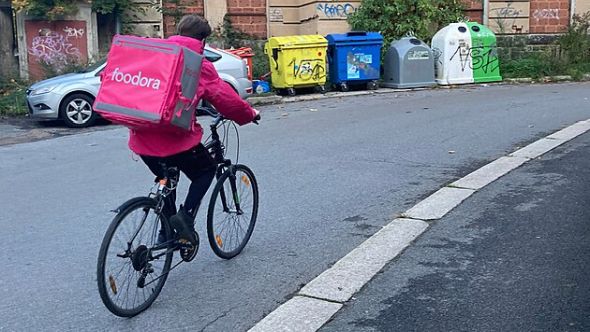
Ne, to není Zdeněk Svěrák na kole…
Závěrečná část dialogu Délského potápěče s Reconquistou o situaci a dění v našich zemích…
Předchozí části rozhovoru: první Kdo je pro Slováky největším nebezpečím?, druhá Slovensko dnes: jaké je?
Kdysi, bude to jistě víc jak deset let, jsem si z tisku poznamenal: „Úřady udělaly razii proti agenturám dovážejícím do Česka levnou pracovní sílu. Desítkám zrušili licenci.“ Pokusil jsem se tu zprávu dohledat na síti – bezúspěšně. Kolem tohoto způsobu podnikání je vůbec jakási „mediální tma“ a téma opomíjejí i naši národovci – přitom ona levná pracovní síla je z velké části allogenní, tisícovky Mongolů, Filipínců, Indů a kdoví koho ještě. Jaká situace je v tomto ohledu na Slovensku?
Jozef: Ľudia v krajine so šesťpercentnou (stúpajúcou) nezamestnanosťou, kde si predseda vlády bez akejkoľvek vlny občianskej nevôle dovolí usporiadať tlačovku a vyhlásiť, že „našiel pracovnú silu v Uzbekistane“, si zaslúžia biedu a hlad. Samozrejme, jedni viac, iní menej. Zredukujme to na pár faktov, hoc dizertačná práca by na pôvod a dôvody bola vhodnejším formátom.
Continue Reading
Posted in Slovenština, Kultura, Rozhovory, Politika
Posted on 30/07/2025. Tags: Identitární strategie, Československo, Reconquista, Slovensko, Politický disent, Metapolitika

Na skutečnost jen nereagujeme, sami si ji tvoříme…
První část rozhovoru zde.
Rozhovor Délského potápěče s Josefem B., šéfredaktorem slovenské metapolitické iniciativy Reconquista, pokračuje druhou částí: o nostalgii po minulých režimech, nevraživosti k Čechům a České republice, aféře „Kuciak“ a k slovenské emigraci tentokrát promluvil spolu s kolegou Slavomirem.
Slovenský stát. Je ještě mezi lidmi nějaká nostalgie? Anebo již jen po poválečném Československu s jeho industrializací země, sociálními jistotami a rovnostářstvím, majetkovým i jiným?
J.: Po prevrate v roku 1989 a ešte aj krátko po rozdelení Československa u nás určitá nostalgia za prvým štátom nepochybne bola. Živená nielen v radoch slušne sa rozbiehajúcich nacionalistických zoskupení, ale aj pamätníkmi. Uvoľnenie od totalitných praktík ŠtB znamenalo väčšiu pluralitu názorov. V tejto dobe vzniklo viacero kultových kníh, rozhovorov a výrokov, ktoré sú dnes už skôr bonmotmi – expertom v tejto oblasti bol niekdajší šéf Slovenskej národnej strany, obsesívny alkoholik a občasný podporovateľ zdravých myšlienok, Ján Slota.
Continue Reading
Posted in Slovenština, Kultura, Rozhovory, Politika
Posted on 25/05/2025. Tags: Reconquista, Slovensko, Politický disent, Slovenská pospolitosť, Jakub Škrabák, Metapolitika, Identitární strategie

Reconquista. Znovudobytie, znovuzískanie strácaného, strateného.
Rozhovor Délského potápěče s Josefem B., šéfredaktorem slovenské metapolitické iniciativy Reconquista; ohlédnutí za její činností od roku 2018.
Co se nyní děje s RCQ?
Stagnuje. Samozrejme neustále publikujeme, vyhľadávame pre našich sledovateľov ďalšie knižné tituly, ktoré by ste v iných kníhkupectvách hľadali márne a komunikujeme. To je však „zotrvačná“ aktivita a ja nemám problém otvorene priznať, že aktuálne nevládzeme robiť viac. Od momentu, kedy zakladajúce entity vdýchli projektu RCQ život, povzbudení počiatočným entuziazmom každý prichádzal s ambicióznymi nápadmi. Aj keď na naplnení niektorých torzo pôvodného tímu stále pozvoľna pracuje, viaceré navždy pohltil čas.
Jaká byla vaše motivace?
Pretrvávajúcim a primárnym cieľom vždy bolo pôsobiť metapoliticky. Nie si dať názov „Metapolitika“ a zosmiešňovať tradičné – či nebodaj samých seba. Ale systematicky vnášať do spoločenského diskurzu tabuizované pojmy ako Intermarium, etnonacionalizmus, či Veľká výmena a nebáť sa konfrontovať bludárov, ktorí sa v alternatíve vďaka adekvátnej podpore rýchlo a žiaľ úspešne udomácnili.
Continue Reading
Posted in Slovenština, Kultura, Rozhovory, Politika
Posted on 10/05/2025. Tags: Metafyzika sexu, Feminismus, Sexuální revoluce, Ideologie genderu, Tomáš Lofo Lofaj, Tradicionalismus, Konzervatismus, Křesťanství
Autor: Tomáš Lofo Lofaj
Rodina sa dnes nachádza na rázcestí. Cesta vľavo (ekonomicko-politicky) smeruje k progresívnemu moderno-sociálnemu ekonomickému modelu, ktorý a priori nemá žiadnu oporu v minulosti – dejinách. Vychádza z čisto ekonomických potrieb pre dnešnú kapitalistickú spoločnosť, ktorá manželstvo ako zväzok potrebuje už len pre uľahčenie byrokratického aparátu – dedenie, rozvody, adopcie atď. Rodinu teda berie ako základný ekonomický faktor pre štát. Rodina – manželstvo – rodičovstvo – tradície 1] a posteriori majú oporu v dejinách. Ide o poslanie vychovávať svoje deti v čo najlepších ľudí, viesť ich životom a pripraviť ich na životné výzvy. Táto cesta nepotrebuje žiadne označenie pravého či ľavého smerovania, je to totiž tradičná rodina, kde neexistujú križovatky vytvorené politicko-ekonomicko-abrahámskym videním sveta.
Continue Reading
Posted in Slovenština, Kultura, Biologie a Ekologie
Posted on 24/05/2024. Tags: Friedrich Nietzsche, J. R. R. Tolkien, Modernismus, Tomáš Lofo Lofaj, Tradicionalismus, Julius Evola, Ernst Jünger
Autor: Tomáš Lofo Lofaj
„Bojuj za svoju zem a prijmi smrť, ak to bude nutné, lebo smrť je víťazstvom a oslobodením duše.”
Julius Evola
Úvod
V druhej časti našej eseje sa hlbšie pozrieme na otázku slobody a možnosti uplatniť metafyziku vojny v reáloch súčasného politického zriadenia, či už ako pomoc, alebo ako fundamentálne východisko pre existujúce alebo novovznikajúce tradicionalistické hnutia. Obšírnosť témy a zdrojov k nej by si iste zaslúžili hlbšie a dôkladnejšie preskúmanie téz a ich následné naplnenie. Cítil som potrebu poukázať na pseudo-alternatívu a jej konformizmus, ktorý sa nijako nelíši od „hlavného prúdu“. Predkladám tu len časť tejto koncepcie, teda môj „Weltanschauung“, a pokladám ho minimálne za zaujímavý pre ďalšie rozvíjanie a jeho smerovanie
Čo nám teda nasledujúce dni ukázali? Zamysleli sme sa nad možnosťou byť slobodný skrz vojnu a tak pokračovať v kontemplácii pri úsvite nového cyklu? Ako teda vnímame slobodu z pohľadu praktickosti?
Continue Reading
Posted in Texty, Slovenština, Historie, Kultura
Posted on 29/04/2024. Tags: J. R. R. Tolkien, Modernismus, Tomáš Lofo Lofaj, Tradicionalismus, Julius Evola, Ernst Jünger, Friedrich Nietzsche
Autor: Tomáš Lofo Lofaj
„Všetko solárne spasenie pre toho, kto si je vedomý moci“
Stephen E. Flowers
Úvod
Ľudstvo už od jeho vzniku sprevádza potreba vyjadrenia svojich vnútorných pocitov. Tie je možné vyjadriť rôznymi formami umeleckého prejavu, od nástenných malieb v jaskyniach, či prvých písomných prameňov, cez rytiny do dreva či skulptúry z mramoru, cez obrazy maľované rôznymi technikami a materiálmi, až po hudbu ako najvšednejší spôsob vyjadrenia svojich emócii a pocitov aj pre najprimitívnejších ľudí, pričom je ale zároveň komplexná a pozdvihujúca ducha doby, aristokratická. Spomenúť môžeme aj tanec, šport a mnoho ďalšieho, až po zdegenerované socialistické betónové obludy, plátna poliate exkrementami, či vystavené toaletné záchody a zdegenerovaná, moderná, sémanticky prázdna literatúra a hudba. Tým všetkým a mnohým iným sa dajú vyjadriť naše vnútorné pochody, teda dať im tvar a pustiť ich do éteru, bez ohľadu na ich prínos pre vyššie ciele, bez ohľadu na ich kultúrny či osobný dosah.
Continue Reading
Posted in Texty, Slovenština, Historie, Kultura
Posted on 28/02/2024. Tags: Globalismus, Zvláštní vojenská operace na Ukrajině, Atlanticismus, Válka Ruska proti Ukrajině, Rusko, Tomáš Lofo Lofaj, Ukrajina, Constantin von Hoffmeister, Vladimír Putin, Volodymyr Zelenskyj, Evropská unie, Alexandr Dugin, NATO

Kterým směrem, Ukrajino?
Autor: Tomáš Lofo Lofaj
Reakce na úvahu Constantina von Hoffmeistera Deset let ukrajinského úpadku
Silné nutkanie a chuť kričať ma prinútili zareagovať aspoň z časti na článok, ktorý tu nedávno vyšiel a celkovo na články podobného obsahu. Ja viem, je to ako hádzať hrach o stenu, ale ako sa vraví, čo je napísané, to je dané. Avšak taký obšírny, komplikovaný problém menom Vojna na Ukrajine tu už dávno nebol, navyše je o to viac aktuálny, že sa odohráva pri našich hraniciach, ako slovenských, tak aj českých, a preto je potrebné, hoc aj krátko zareagovať na štvanú propagandu z každej strany.
Continue Reading
Posted in Texty, Geopolitika, Kritické texty, Historie, Slovenština
Posted on 27/08/2023. Tags: Egalitarismus, Materialismus, Univerzalismus, Tomáš Lofo Lofaj, Nacionalismus, Liberalismus, Tradicionalismus

Nebojujeme ani tak s islamizací, rovnostářstvím nebo dysgenikou, jako s tím nejhorším ze všech prokletí – Posledním člověkem
Autor: Tomáš Lofo Lofaj
Už bolo napísané, už bolo vykonané, už bolo povedané a ešte aj bude znova všetko raz a mnoho ráz predložené, aby sa prebralo to, čo už bolo prebraté naprieč históriou a naším chápaním času a priestoru. Napriek týmto skutočnostiam sa aj tak stále obťažujeme písať, debatovať a špekulovať rôznymi metódami o hentom či tamtom. Rôzne štýly rétoriky, štylistiky, rôzne úrovne debát, od tých najprimitívnejších po tie najdekadentnejšie, či od tých zmysluplných po tie (zase) najdekadentnejšie. Vo vyšších kruhoch intelektuálneho charakteru sa často používa dialektika filozofického charakteru, ktorej bežný čitateľ či poslucháč nerozumie, ale aj napriek tomu pochybovačne pritakáva. V tých nižších kruhoch – plebse – sa jazyk dostáva pod ťažkú paľbu primitivizmu hraničiacu s rozkladom samotného jazyka. Deštrukcia schopnosti vyjadrovania sa aj inou formou ako komentármi na (anti)sociálnych sieťach je dokonaná. Najnižšie dno ľudstva bolo prekonané (zase raz), a to sme si mysleli, že Francúzsku revolúciu už nič neprekoná. Stačila dlhšia okupácia mysle a ducha komunizmom a následná fúzia s jej starším bratom kapitalizmom, aby vzniklo podhubie toho, čo Tolkien nazval prostredníctvom Stromobrada – burárum – zlookých, čiernorukých, krivonohých, kamennosrdcích, smradľavobruchých, krvilačných podľudí. A ako ďalej Tolkien poznamenáva, je to dôsledok toho, že sme unáhlený národ. Natoľko unáhlený, že sa nevieme vysporiadať ani s vlastnou minulosťou a znovu objaviť životodarné tézy polomŕtveho národa.
Continue Reading
Posted in Politika, Septentrion, Texty, Slovenština, Kultura
Posted on 15/06/2016. Tags: Eurasie, Friedrich List, Sýrie, Novorusko, Rusko, Čína, Ukrajina, Halford Mackinder, USA, Saul B. Cohen, Robert Steuckers, Euro-Synergies
Geographic realities are stable and permanent. They actually matter and all the idealistic disguises created to wage useless wars or delaying wars (Carl Schmitt) are only ponderous parasitic burdens to blind the naïve.
Robert Steuckers
I have always insisted on the fact that these both war stages were strategically linked. It would be silly to believe that the Syrian situation has nothing to do with the stalemate in East Ukraine. Historically both areas are so-called “gateway regions” on the rimlands around the Russian dominated heartland as the US geostrategist Saul B. Cohen could demonstrate in his works. As the globalist geopolitics of the United States aims at preventing any Pan-Eurasian synergies in the Old World (or on the World Island to take over MacKinder’s vocabulary) or any long term cooperation between Central Europe and Russia, it’s quite natural to let organize by dubious proxies skirmishes or long term wars on territories that could have an important linking function between major regions on the Eurasian continent. The present-day Ukrainian territory East of Crimea linked Europe (represented by the Genoese and Venetian commercial bases) to Asia at the time of Marco Polo, the great Mongol Khans or even later. The Syrian coast was the entrance gate to the long land roads to India and China. The vital necessity to control it, lead to the eight crusades Western Europe waged during our Middle Ages (Spengler explained why the notion of Middle Ages is only valid for Europe).
Continue Reading
Posted in Geopolitika, English, Septentrion
Posted on 15/02/2011. Tags: Corneliu Codreanu, Železná garda, Julius Evola
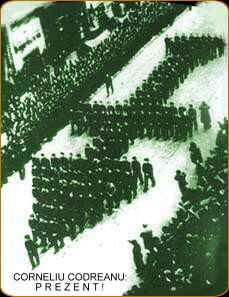 Autor: Julius Evola
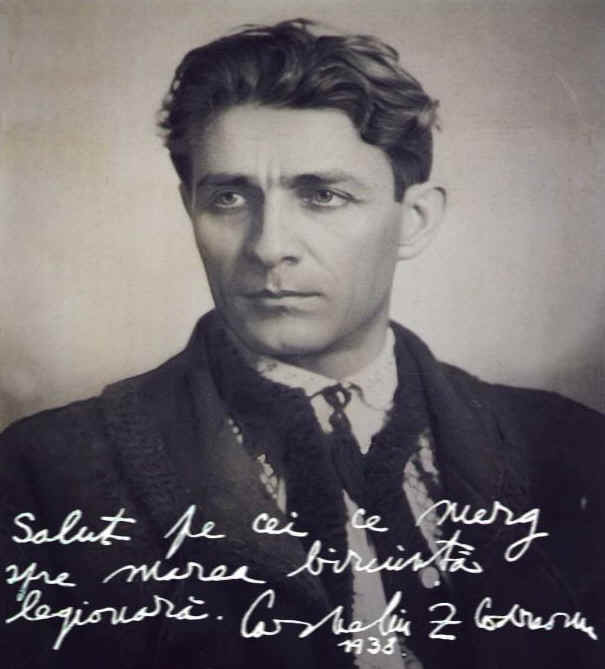
Automobil rýchlo opúšťa komickú panorámu, ktorá predstavuje centrum Bukurešti: nevysoké mrakodrapy a najmodernejšie budovy, prevažne funkčného typu, s výkladmi a obchodmi, zanechávajú dojem akejsi zmesi parížskeho a amerického štýlu. Jediným exotickým prvkom sú časté baranice na meštiakoch a trhovníkoch. Míňame Severnú stanicu a vezieme sa prašnou provinciálnou cestou, ktorá vedie spočiatku vpravo, potom sa prudko stáča doľava; nakoniec vychádzame na poľnú cestu a ocitáme sa pred osamelo stojacim domom uprostred polí: je to Zelený Dom, rezidencia hlavy rumunskej Železnej Gardy.
“Vlastnými rukami sme ho postavili,” poznamenávajú s miernou hrdosťou sprevádzajúci nás legionári. Intelektuáli i remeselníci sa spojili aby postavili rezidenciu svojho vodcu, čo sa pre nich stalo takmer symbolickým a obradným aktom. Budova je postavená v rumunskom štýle, z oboch strán rozšírená portikom pripomína kláštor. Vchádzame a vystupujeme na prvé poschodie. Naproti nám prichádza vysoký, urastený mladý muž športovej postavy, s výrazom budiacim dojem šľachetnosti, otvorenosti a sily. Je to Corneliu Codreanu, vodca Železnej Gardy osobne. Pravý ario-románsky typ, podľa všetkého potomok starého ario-italického sveta. V jeho šedomodrých očiach sa zračí tvrdosť a rozvaha vlastné vodcom a súčasne celá jeho osoba žiari idealizmom, energiou, vnútorným svetom a ľudským porozumením. I štýl jeho rozhovoru je charakteristický: skôr než odvetí zahĺbi sa v seba, vzdiali sa, potom odrazu prehovorí, vyjadrujúc svoje myšlienky s takmer geometrickou presnosťou zreteľnými a krátkymi vetami.
Continue Reading
Posted in Slovenština, Historie, Převzato, Rozhovory, Septentrion
Posted on 15/02/2011. Tags: Julius Evola, Corneliu Codreanu, Železná garda
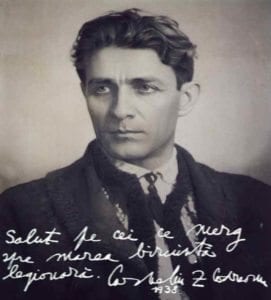 Autore: Julius Evola
Rapidamente la nostra auto lascia dietro di se quella curiosa cosa che è la Bucarest del centro: un insieme di piccoli grattacieli e di edifici modernissimi, prevalentemente di tipo “funzionale”, con mostre e magazzini fra la parigina e l’americana, l’unico elemento esotico essendo i frequenti cappelli di astrakan degli agenti e dei borghesi. Raggiungiamo la stazione del Nord, imbocchiamo una polverosa strada provinciale costeggiata da piccoli edifici del tipo della vecchia Vienna, che con rigorosa rettilineità raggiunge la campagna. Dopo una buona mezz’ora, l’automobile svolta improvvisamente a sinistra, prende una via campestre, si arresta di fronte ad un edificio quasi isolato fra i campi: è la cosiddetta “Casa Verde”, residenza del Capo delle “Guardie di Ferro” romene.
“L’abbiamo costruita con le nostre stesse mani” ci dicono con un certo orgoglio i legionari che ci accompagnano. Intellettuali e artigiani si sono associati per costruire la residenza del loro capo, quasi nel significato di un simbolo e di un rito. Lo stile della costruzione è romeno: ai due lati, essa si prolunga con una specie di portico, tanto da dar quasi l’impressione di un chiostro. Entriamo, raggiungiamo il primo piano. Ci viene incontro un giovane alto e slanciato, in vestito sportivo, con un volto aperto, il quale dà immediatamente una impressione di nobiltà, di forza e di lealtà. E’ appunto Cornelio Codreanu, capo della Guardia di Ferro. Il tipo è caratteristicamente ariano-romano: sembra una riapparizione dell’antico mondo ario-italico. Mentre i suoi occhi grigio-azzurri esprimono la durezza e la fredda volontà propria ai Capi, nell’insieme dell’espressione vi è simultaneamente una singolare nota di idealità, di interiorità, di forza, di umana comprensione. Anche il suo modo di conversare è caratteristico: prima di rispondere, egli sembra assorbirsi, allontanarsi, poi, ad un tratto, comincia a parlare, esprimendosi con precisione quasi geometrica, in frasi bene articolate ed organiche.
Continue Reading
Posted in Septentrion, Italiano, Historie, Převzato, Rozhovory
Posted on 17/12/2010. Tags: Islám, Evropská unie, Wikileaks
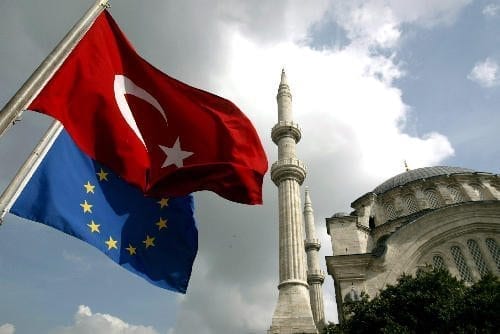
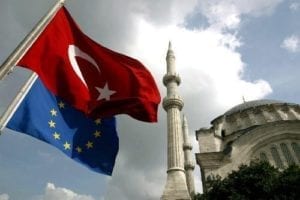 A quotes from Eric Edelman, U.S. ambassador to Turkey, 30 December 2004, published by Wikileaks:
ID: 04ANKARA7211
Dokument dato: 2004-12-30 05:05:00
Release dato: 2010-11-28 18:06:00
Kilde: Embassy Ankara
header:
This record is a partial extract of the original cable. The full text of the original cable is not available.
[…]
SUBJECT: ERDOGAN AND AK PARTY AFTER TWO YEARS IN POWER: TRYING TO GET A GRIP ON THEMSELVES, ON TURKEY, ON EUROPE
1. (C) Summary: PM Erdogan and his ruling AK Party seem to have a firm grip on power — if for no other reasons that there is currently no viable alternative and inertia weighs heavily in politics. Nevertheless, Erdogan and his party face enormous challenges if they are successfully to embrace core principles of open society, carry out EU harmonization, and develop and implement foreign policies in harmony with core U.S. interests. End summary.
Continue Reading
Posted in Geopolitika, Politika, English
Posted on 27/10/2010. Tags: Nacionální socialismus, Arno Breker, Německo
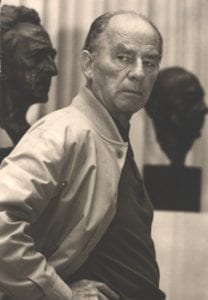 A historic interview conducted by Andre Müller in 1979 with Arno Breker, Hitler’s favourite sculptor
Artist Arno Breker became notorious as Hitler’s favourite sculptor during the Nazi years, when he took on commissions from National Socialist government, created heroic, monumental figures and led Hitler around Paris. The first solo show of his sculptures in Germany since World War II opened July 22 in Schwerin, prompting much discussion on how Breker’s works should be shown today (review here). On this occasion we have translated a lengthy interview with Breker conducted in 1979 by Andre Müller, one of the most respected interviewers of his generation.
Continue Reading
Posted in Kultura, Převzato, Rozhovory, English, Septentrion
Posted on 18/10/2010. Tags: Guillaume Faye, Arktos Publishing, Archeofuturismus
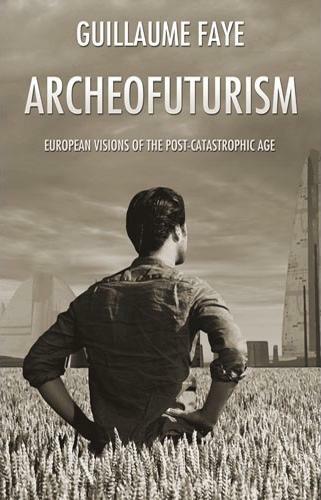
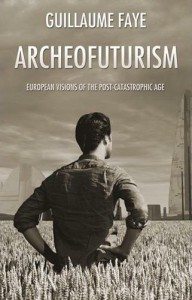 Archeofuturism, an important work in the tradition of the European New Right, is finally now available in English. Challenging many assumptions held by the Right, this book generated much debate when it was first published in French in 1998. Faye believes that the future of the Right requires a transcendence of the division between those who wish for a restoration of the traditions of the past, and those who are calling for new social and technological forms – creating a synthesis which will amplify the strengths and restrain the excesses of both: Archeofuturism.
Faye also provides a critique of the New Right; an analysis of the continuing damage being done by Western liberalism, political inertia, unrestrained immigration and ethnic self-hatred; and the need to abandon past positions and dare to face the realities of the present in order to realise the ideology of the future. He prophesises a series of catastrophes between 2010 and 2020, brought about by the unsustainability of the present world order, which he asserts will offer an opportunity to rebuild the West and put Archeofuturism into practice on a grand scale.
The book is avalaible directly from the publisher here.
Continue Reading
Posted in English, Septentrion, Zajímavé knižní tituly
Posted on 26/12/2009. Tags: Septentrion
 Come sicuramente se ne giá siete accorti in ultimi giorni iniziavano a moltiplicarsi gli aritcoli in diverse lingue europee. Non si tratta di una pubblicazione non sistematica dei materiali scelti per caso. Lo scopo del progetto – che abbiamo chiamato Septentrion – é pubblicare importanti pensieri identitari nel ambiente ceco e contemporaneamente mediarlo anche in altri circoli linguistici europei.
Il nostro fine non é solo “la raccolta” dei materiali in diverse lingue (come per esempio nel caso del web della Nueva Derecha) neanche la pubblicazione degli articoli separati (per esempio web dell Euro-Synergies). Il presupposto di base é pubblicazione, della versione originale e della sua traduzione in Ceco, e poi (sempre nel caso che siano ancora disponibili) anche delle versioni in altre lingue.
Speriamo che le pagine del Delsky potapec cosí diventino (oltre le sue presenti funzioni) anche il portale nei pensieri diversi dalla provenienza casalinga e anche diffonde orizzonti del lettore che vorremmo spingere al pensiero europeo e al milglioramento della sua conoscenza linguistica. Speriamo pure che le pagine diventino il luogo dell’incontro delle persone dal movimento identitario europeo nel quale essi si scambino le loro idee e i loro pensieri.
Posted in Septentrion
Posted on 19/12/2009. Tags: Gabriele Adinolfi
 Anni 70
1. “Strategia della tensione” degli anni 70 in Italia secondo i comunisti era il risultato di manipolazioni della CIA con i neofascisti. Secondo Lei, qual è il ruolo di KGB?
Poco importante. CIA e KGB hanno più osservato che altro una lotta tra potenze mediterranee loro alleate (e loro subalterne) che si svolgeva in Italia; attrici la Francia, la Libia ma soprattutto l’Inghilterra – che ha sempre allontanato l’Italia dal mare – e Israele.
Le vittime illustri della strategia della tensione (Mattei e Moro) erano degli statisti filoarabi e anti-inglesi. La strategia della tensione non fu assolutamente fatta per allontanare i comunisti dal governo, anzi ad ogni strage i comunisti progredirono e furono attratti nella stanza dei bottoni. Che la posta fosse la politica italiana nel Mediterraneo lo hanno sostenuto i più importanti attori politici dell’epoca, lo stesso Aldo Moro lo spiegò alle Brigate Rosse durante la sua prigionia.
Continue Reading
Posted in Rozhovory, Italiano
Posted on 18/12/2009. Tags: Septentrion
 Dear Readers,
As you have probably noticed, on our webpage there have been added several texts written in different European languages. This atttude is not about publishing of some random materials, as the goal of our project – which we called Septentrion – is to introduce important identitarian ideas into Czech scene as like as like as transmitting them into various European language spheres.
Therefore we do not consider our main aim to be neither just pure „picking“ of some multilingual texts (as it may be in case of webpages Nueva Derecha), nor publication of separate articles (with Euro-Synergies as the main example). The main prerequisite of our project is publishing of the original version, its Czech translation and then (whenever possible) publishing of the original article in different language versions.
We hope this approach will help the Delian Diver webpage (aside its hitherto objective) to become a gateway to the ideas originating beyond the borders of Czech republic and to broaden our readers‘ horizons which we would like to push towards European thinking and improving of language skills. We also suppose they will serve as a agora – meeting point and place for European identitarian ideas.
Posted in Septentrion
Posted on 18/12/2009. Tags: Septentrion
 Vážení čtenáři,
jistě jste si všimli, že v poslední době začaly přibývat články v různých evropských jazycích. Nejedná se o nesystematické publikování náhodně vybraných materiálů. Cílem projektu – který jsme nazvali Septentrion – je uvést důležité identitární myšlenky do českého prostředí a zároveň je zprostředkovat i do dalších evropských jazykových okruhů.
Naším cílem není prosté „sbírání“ různojazyčných materiálů (jako tomu je v případě stránek Nueva Derecha) ani publikace separátních článků (např. stránky Euro-Synergies). Základním předpokladem je uveřejnění původní verze a jejího českého překladu a poté (pokud jsou k dispozici) i verze v dalších jazycích.
Doufáme, že se stránky Délského potápěče tímto stanou (mimo své dosavadní funkce) i vstupní branou k myšlenkám jiné, než domácí provenience a také rozšíří čtenářské obzory, které bychom rádi posunuli směrem k evropskému myšlení a zkvalitnění jazykové vybavenosti. Stejně tak doufáme, že se stanou místem setkávání lidí z evropského identiárního hnutí, ve kterém bude docházet k výměně jejich idejí a myšlenek.
Posted in Septentrion
Posted on 15/12/2009. Tags: Euro-Synergies, Robert Steuckers
 Sobre política, revolución-conservadora, espiritualidad y „Synergies“ Nuestro buen amigo Robert Steuckers contesta a las preguntas del camarada Troy Southgate, miembro del grupo NR-Fraction (England).
Pregunta: ¿Cuándo y por qué decidiste involucrarte en política?
Hasta la actualidad, nunca me he involucrado en política, nunca he sido miembro de un partido político. No obstante, soy un ciudadano interesado en cuestiones políticas pero, por supuesto, no en los usos triviales que tiene la palabra „política“. Para mí, „política“ significa mantener continuidades, o, si así se prefiere, tradiciones, pero tradiciones que estén involucradas en la historia actual de una particular comunidad humana.
Continue Reading
Posted in Español, Rozhovory
Posted on 10/12/2009. Tags: Konzervativní revoluce, Edgar Julius Jung
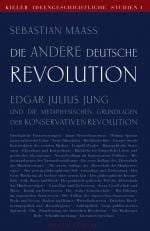 Edgar Julius Jung and metaphysical foundations of the Conservative Revolution
Edgar J. Jung (1894–1934) was the mastermind of the „Young Conservatives“ in the Conservative Revolutionary movement in Germany in the late 1920s and early 1930s. Jung’s voluminous work, The Rule of the Inferior (1927/30), in which he outlines his autoritarian weltanschauung, is a radical rejection of democracy and egalitarianism. Instead, Jung evokes the myth of the eternal Reich, the foundations of which he sees not in blood, like the Nazis, but in spirit.
But Jung was not content with giving intellectual guidelines. Quite the contrary, he intended to interfere in politics. Franz von Papen, the German vice-chancellor, for whom Jung wrote political speeches, seemed to be an ideal mouthpiece for Jung’s ideas. In Marburg, on June 17th, 1934 von Papen gave a speech which was of Jung’s making. The so-called “Marburg Speech“ attacked the German government and was meant to break loose a national conservative uprising.
Continue Reading
Posted in Zajímavé knižní tituly, English, Dějiny ideologií, Septentrion

 ***
*** ***
*** ***
***
Nejnovější komentáře